

| The Royal College of Ophthalmologists | The Royal College of Ophthalmologists
  • Home
  • About the College
  • News & Views
  • inspire
  • OST Curriculum 2010
  • Search Search
  • Our Work
    • Our Strategy
    • College membership
    • Get involved
    • National Ophthalmology Database Audit
    • Our policy priorities
    • Discover ophthalmology careers
    • Sustainability
    • Our international work
    • SAS doctors
  • Academic research and innovation
    • Research
    • Eye Journal
    • The British Ophthalmological Surveillance Unit
  • Training
    • Ophthalmic Specialist Training
    • Ophthalmic Local Training
    • Ophthalmic Practitioner Training
    • Simulation
    • Physician associates pilot
    • Refraction
  • Education & Events
    • All events and courses
    • Course accreditation
    • Annual Congress
    • Education Programme
    • Scholarships, awards and prizes
  • Examinations
    • Examinations calendar
    • Book an exam
    • Exam Fees
    • RCOphth exams
    • Become an examiner
    • Examinations Policies & Procedures
    • Duke Elder Undergraduate Prize Examination
  • Standards and guidance
    • All Standards & Guidance
    • Audit and data
    • Quality & Safety
    • Focus articles
    • COVID-19 Resources
  • Our Work
    • Our Strategy
      • Annual Reports
    • College membership
      • College Fellow – the value of your membership
      • College Member (MRCOphth) – the value of your membership
      • Trainee member – the value of your membership
      • Affiliate Member – the value of your membership
      • Associate member – the value of your membership
      • Subscription fees
    • Get involved
      • Support Our Work
      • Lead our work
      • Eye to Eye Podcast
    • National Ophthalmology Database Audit
    • Our policy priorities
      • Case studies
      • Research reports
      • Position statements
      • Consultations
    • Discover ophthalmology careers
      • Become an Ophthalmologist
      • Academic ophthalmology
      • Eye Care Professionals in ophthalmic practice
      • Medical Students & Foundation Doctors
      • Working in the UK for non-UK doctors
      • Your Guide to Working and Volunteering Overseas
    • Sustainability
      • Climate change and eye health
      • Sustainability at the College
      • Useful resources
    • Our international work
    • SAS doctors
  • Academic research and innovation
    • Research
      • Getting Started In Research
    • Eye Journal
    • The British Ophthalmological Surveillance Unit
      • How information from health records is used in research
      • Current BOSU studies
      • Setting up a surveillance project
  • Training
    • Ophthalmic Specialist Training
      • Curriculum documents
      • Syllabi
      • Navigate Curriculum 2024 and the ePortfolio
      • Practical information about the training programme
      • Resources
      • Certificate of Completion of Training
    • Ophthalmic Local Training
      • Support for Ophthalmic Local Training
      • ePortfolio for Ophthalmic Local Training
      • Specialist registration via the Portfolio Pathway route
    • Ophthalmic Practitioner Training
      • The Ophthalmic Practitioner Training Curriculum
      • The Ophthalmic Practitioner Training portfolio and assessments
      • Support for Ophthalmic Practitioner Training
    • Simulation
      • EYESi Ophthalmic Surgical Simulators
      • Skills Courses
    • Physician associates pilot
      • PA pilot resources
    • Refraction
  • Education & Events
    • All events and courses
    • Course accreditation
      • Course accreditation fees
      • Course accreditation FAQs
    • Annual Congress
    • Education Programme
      • Professional Development
      • INSPIRE – Your online learning platform
      • Regional Education Advisors
      • Wellbeing
    • Scholarships, awards and prizes
      • Reports from winners of Awards and Prizes
  • Examinations
    • Examinations calendar
    • Book an exam
      • Examinations Terms & Conditions
    • Exam Fees
    • RCOphth exams
      • Part 1 FRCOphth Exam
      • Refraction Certificate
      • Part 2 Written FRCOphth Exam
      • Part 2 Oral FRCOphth Exam
      • CertRCOphth
      • CertLRS Exam
    • Become an examiner
      • Our examiners
    • Examinations Policies & Procedures
    • Duke Elder Undergraduate Prize Examination
  • Standards and guidance
    • All Standards & Guidance
    • Audit and data
      • Clinical Data Sets
    • Quality & Safety
      • Review Service
      • Safety Alerts
    • Focus articles
    • COVID-19 Resources
      • COVID-19 and Trainee Progression
      • Restoring Ophthalmology Services
      • National Government & Health Organisations Updates
  • Other useful links
  • Home
  • About the College
    • Life at RCOphth
      • Job vacancies
      • Benefits of working for the RCOphth
    • Governance
      • Trustee Board
      • Our policies
      • Senior Management
      • Council Members
      • Committees and groups
      • Equity, diversity and inclusion
    • The Venue
      • Visiting us and accessibility
    • Honorary Fellowships
    • The Venue
    • Museum
  • News & Views
  • OST Curriculum 2010
  • inspire

  • Pages (113)
  • News (283)
  • Resources (68)
  • Events & courses (0)
  • Exams (0)
A network of data

Audit and data

All practising ophthalmic clinicians should be actively involved in clinical audit of their own and their service’s care. Find out how this data is used.
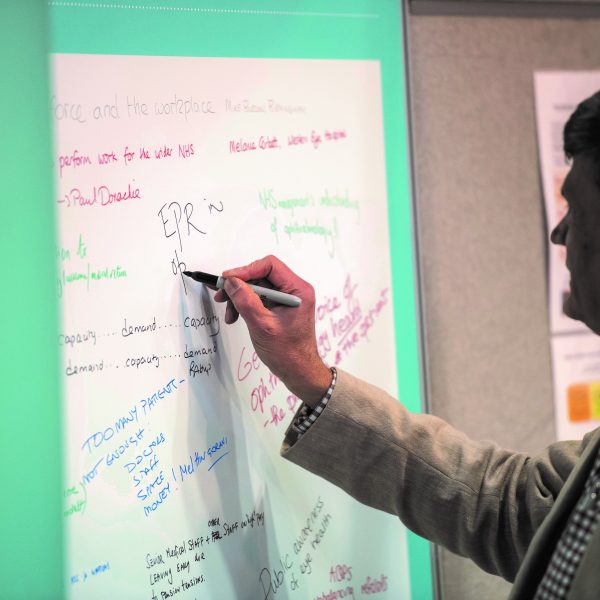
Our policy priorities

Our policy work is developed in consultation with members and partners in the eye health sector. We aim to influence public policy to maintain high standards of care and outcomes for patients and a workforce needed to meet that care.

Resources

COVID-19 Urgent Eyecare Service specification (CUES)

Developed in collaboration with the NHS, RCOphth and The College of Optometrists, CUES provides commissioning specification in the management of emergency eye care in the community, ensuring that access to care in the community is managed effectively and that only high-risk patients are appropriately referred into ophthalmology eye service.

Resources

Principles for the restarting of elective care services: Personal protective equipment (PPE) and Aerosol Generating Procedures (AGP) principles for ophthalmology

As we all restart our elective services and remodel them there are many challenges and new concerns as well as those which were particularly worrying during the peak of the pandemic. These principles provide a foundation for clinical teams to decide appropriate PPE for a breadth of ophthalmic procedures depending on the COVID risk of […]

Resources

Use of non-contact tonometry to measure intra-ocular pressure during COVID-19

At the beginning of the current COVID-19 crisis, there was significant uncertainly about what ophthalmic procedures would fulfil the Public Health England (PHE) criteria for an aerosol generating procedure (AGP) as the guidance from PHE did not address every specialty in detail. Phacoemulsification surgery and air puff tonometry were thought to pose a potential risk […]

Resources

Cataract surgery guidelines for Post COVID-19 pandemic

This document provides guidance to assist re-opening of cataract services following the COVID lockdown

  • Prev
  • 1
  • …
  • 41
  • 42
  • 43
  • 44
  • 45
  • 46
  • 47
  • …
  • 78
  • Next
  • View all
 | The Royal College of Ophthalmologists
The Royal College of Ophthalmologists
18 Stephenson Way, London, NW1 2HD

Charity registered in England and Wales (299872) and in Scotland (SC045652)

Get in touch
  • Twitter Follow on twitter
  • Facebook Follow on facebook
  • Linkedin Follow on linkedin
  • Charity website development by Fat Beehive