Ophthalmic Specialist Training (OST) is a seven-year postgraduate surgical training programme that leads to a career as a consultant ophthalmologist.
You can apply to OST after completing the two-year UK Foundation Programme and successfully securing a place through national recruitment. For full details on eligibility, timelines, and the application process, visit the Become an Ophthalmologist page.
About the training programme
The content and structure of the OST programme are set by the Training Committee and approved by the General Medical Council.
Throughout training, we support your professional development by providing skills courses, educational guidance and access to training resources.
Programme delivery is overseen by Postgraduate Deans and regional Schools of Ophthalmology, with day-to-day management provided by Training Programme Directors.
Training takes place in hospital eye departments, where you will work under the supervision of consultants, specialty doctors and senior resident doctors. You will also be assigned an Educational Supervisor and Named Clinical Supervisors, who will support your progress and development throughout the programme.
Gaining broad clinical experience
OST offers exposure to the full breadth of ophthalmic practice. During training, you will learn from clinicians across a wide range of specialisms and care for patients of all ages and backgrounds. In the later stages of training, you will have opportunities to specialise in two or more of the twelve Special Interest Areas.
Progression and completion
To progress through the programme, receive your Certificate of Completion of Training and join the GMC Specialist Register you must:
- Document training progression, through the ePortfolio, against the learning outcomes as defined in the OST Curriculum and demonstrate their achievement at the Annual Review of Competency Progression
- Record surgical experience in the Eye Logbook
- Pass the FRCOphth examinations at required waypoints
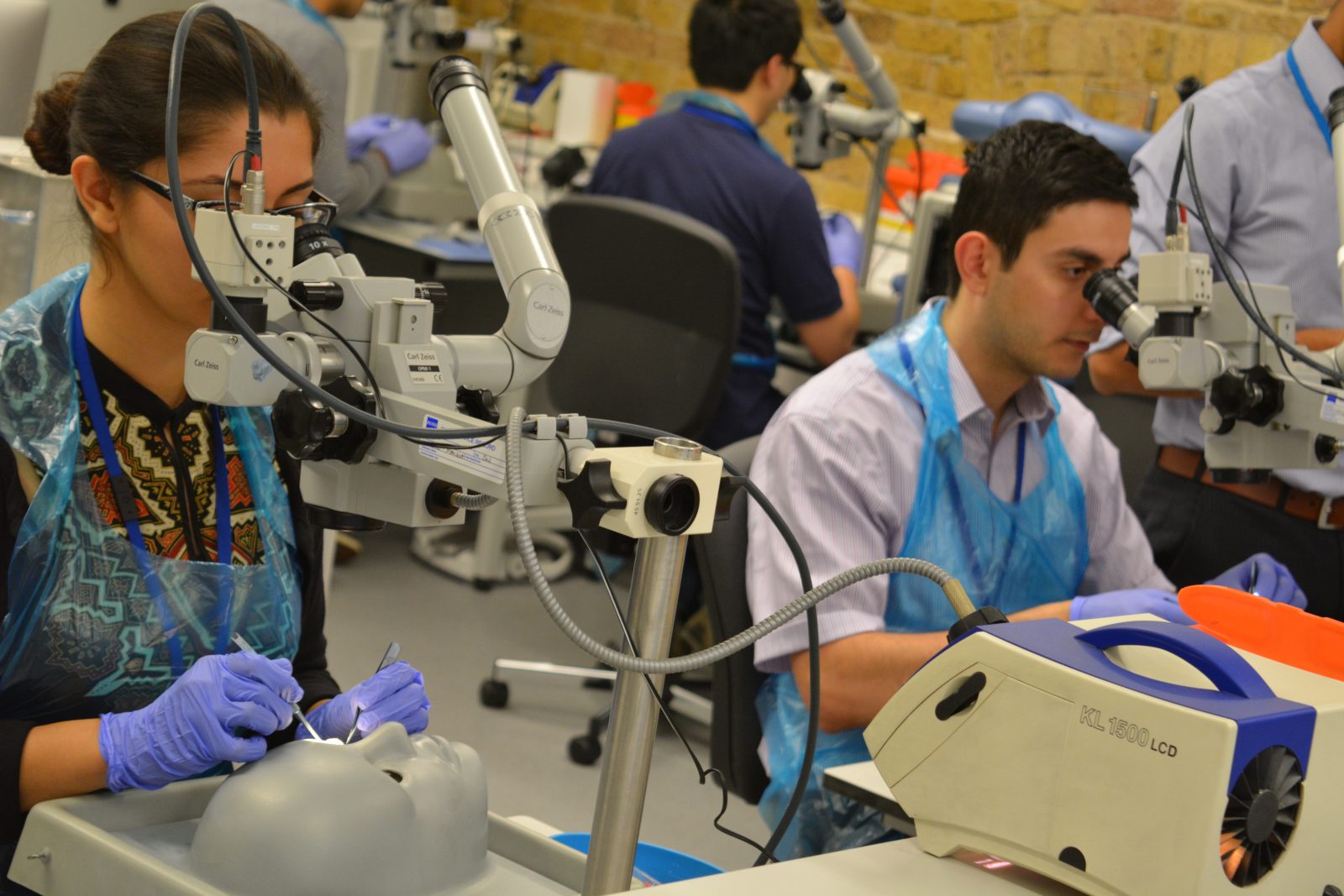
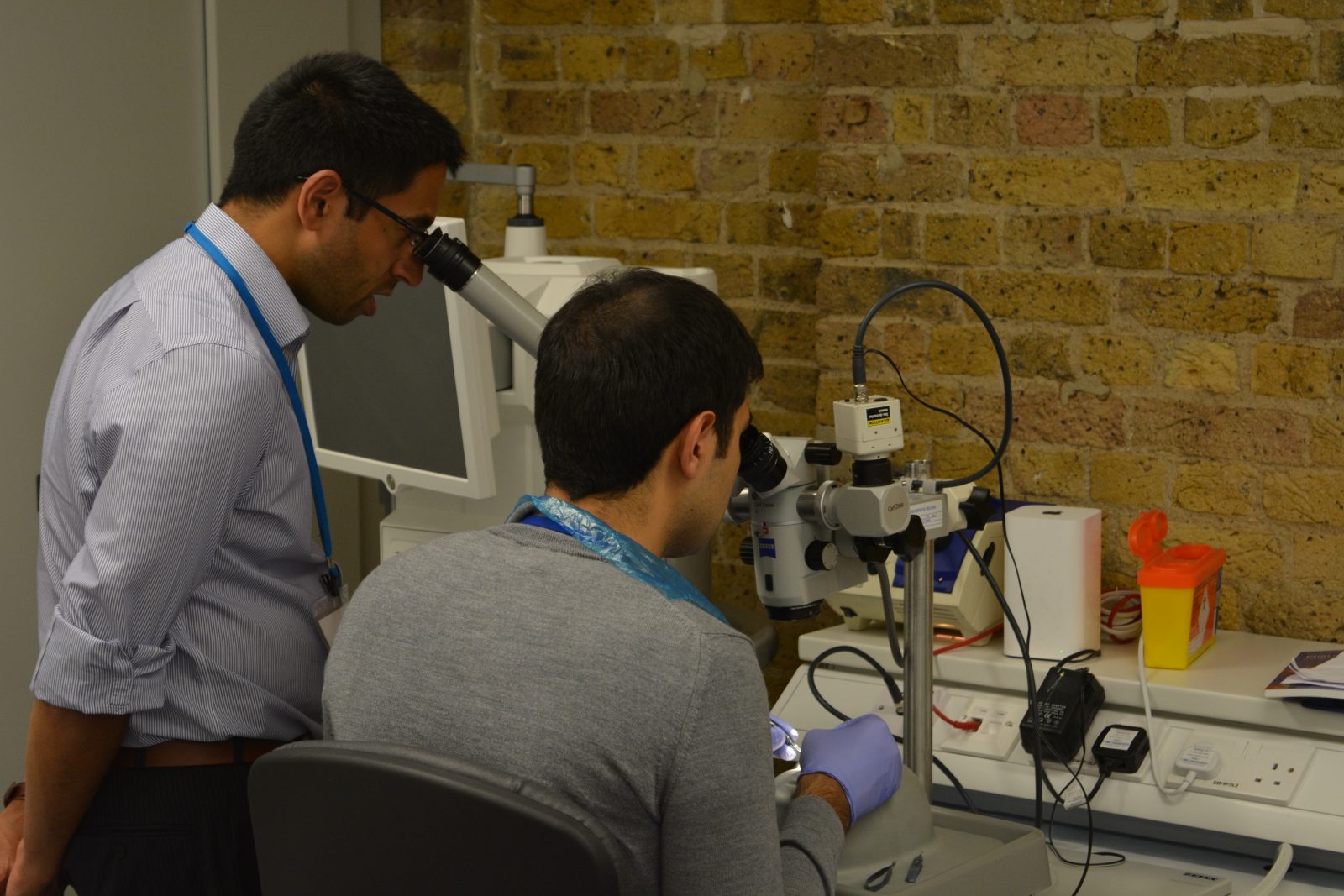
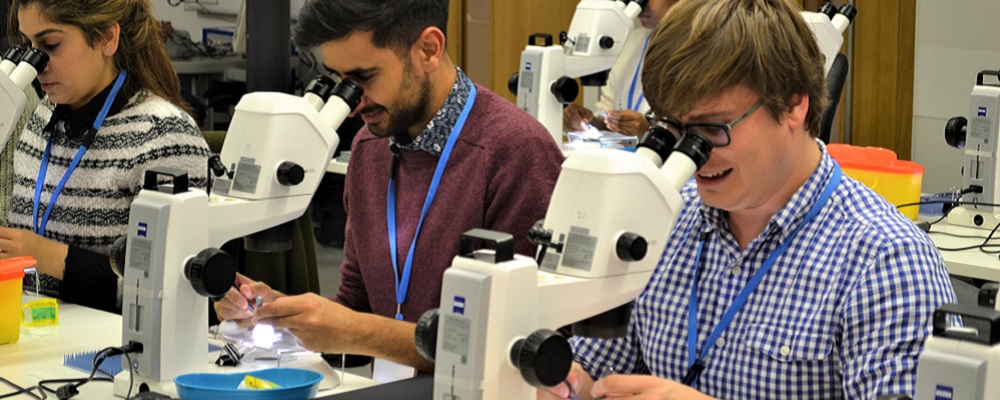
You are strongly encouraged to make extensive use of simulation training to develop microsurgical and clinical skills before undertaking in vivo procedures.